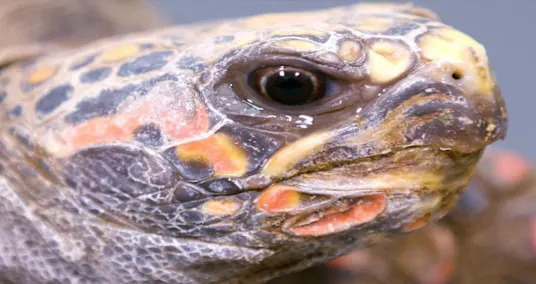
The radiated tortoise is one of the most striking reptiles on Earth, yet it is now facing a serious threat to its survival. Found only in the dry southern forests of Madagascar, this species has experienced a dramatic population decline over the past decade. Experts estimate that its numbers have dropped by nearly half, raising urgent concerns among conservationists. Known for its beautiful shell with bright yellow star patterns, the radiated tortoise is both visually unique and biologically remarkable. Its domed shell is not just protective but also sensitive, containing nerves and blood vessels that allow it to feel touch. These tortoises are also known for their exceptional longevity, with some individuals living well beyond a century. One recorded tortoise even reached an estimated age of 188 years, highlighting the species' long life cycle and slow reproduction rate. However, these same traits also make recovery from population loss extremely difficult, increasing the risk of extinction if current trends continue.
The primary drivers behind the decline of the radiated tortoise are human activities, particularly hunting and illegal trade. In parts of Madagascar, the tortoise is hunted for its meat, which is considered a delicacy despite legal protections. At the same time, its beautifully patterned shell has made it highly desirable in the illegal pet market. Conservation groups estimate that hundreds of thousands of these tortoises are removed from the wild each year, a rate that the population cannot sustain. The combination of poaching and trafficking has devastated natural populations and disrupted ecosystems where the species plays an important role. Without immediate intervention, experts warn that the radiated tortoise could face extinction within the next two decades. Conservation efforts are underway, focusing on habitat protection, stricter law enforcement, and raising awareness about the consequences of wildlife exploitation. The story of the radiated tortoise serves as a powerful reminder of how quickly human actions can threaten even the most resilient species. Protecting it will require global attention and long term commitment.
latest_posts
- 1
 Gen Z workplace stereotypes were TV’s favorite punchline in 2025
 - 2Artemis II astronauts channel Apollo 8 with a striking Earthset photo
- 3Taylor Swift just released the 'Elizabeth Taylor' music video — but she's not the star of it
- 4Israel's haredi draft crisis: Court ruling and political stalemate reach breaking point
- 5Go on A Careful spending plan: Modest Objections for Your List of must-dos




- Ancient eggshells shed new light on crocodiles that hunted prey from trees
- British Columbia's Secret Lakeside Town With Hot Springs Is 'An Oasis Of Arts, Culture And Relaxation'
- This Underrated Italian City Boasts Indulgent Food & Captivating Views For A Romantic Escape
- German gas price bill signed into law, but consumers not impressed
- German foreign minister heads to China to talk rare-earth exports
- Weeks-Long Australian LNG Outage Will Further Tighten Supply
- Novo Nordisk cuts Wegovy price as CEO pledges to go 'all in' on weight loss pill
- These Cities Led Global Jet-Setting In 2025, According To New Data
- Artemis II astronauts say they're "ready to go" for moon launch