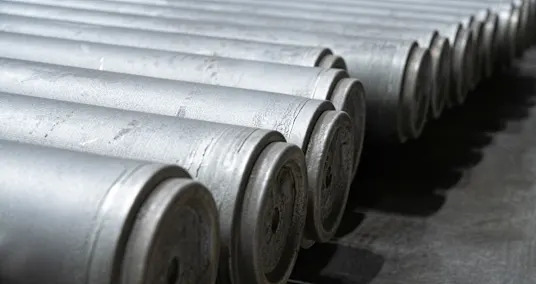
Fears of global aluminium shortages that could affect the production of clean energy technologies intensified after Iran struck two major Gulf aluminium producers, sending prices to a four-year high. The Middle East accounts for 9% of the world’s production of aluminum, which is essential to a wide range of industries from transportation, construction, and packaging, as well as the manufacture of solar panels, electrical transmission systems, wind turbines, and EVs.
Export shipments to the US and Europe had already come to a halt because of the effective closure of the Strait of Hormuz, and Morgan Stanley economists singled out aluminium as carrying a high level of risk across the value chain. Andy Farida, an aluminium analyst at Fastmarkets, told Semafor that high prices would be passed on to end-users, ultimately causing demand destruction. “A prolonged shutdown (with little to no alternative supplies other than Russia and China) could cripple the supply of aluminium to support the production of clean and green technology,” he said, adding that relief could come “if governments allow some sanctioned Russian and Chinese aluminium to be imported.”

latest_posts



 Unwind: Four Extraordinary Spa Resorts On the planet
- Why More Couples Are Choosing Africa For Their Honeymoon
- From Amateur to Master: My Involvement in Photography
- Experience Arranging: Planning for Epic Excursions
- Metropolitan Greatness: The 6 Urban areas for Quality Living in 2024
- Step by step instructions to Streamline Your Dozing Involvement in a Savvy Bed
- Coca-Cola Co. and bottlers to invest in South Africa operations
- Find Exemplary Scents: An Extensive Aide
- Netflix's 'Lord of the Flies' show blends 'Adolescence' and 'Yellowjackets'